Currently, there are many different printing technologies, but UV printing technology still has a strong foothold in the printing industry. So what is the difference? Let’s find out with Interior Advertising what UV printing technology is? Outstanding advantages of UV printing are right below this article!
1. What is UV printing technique?
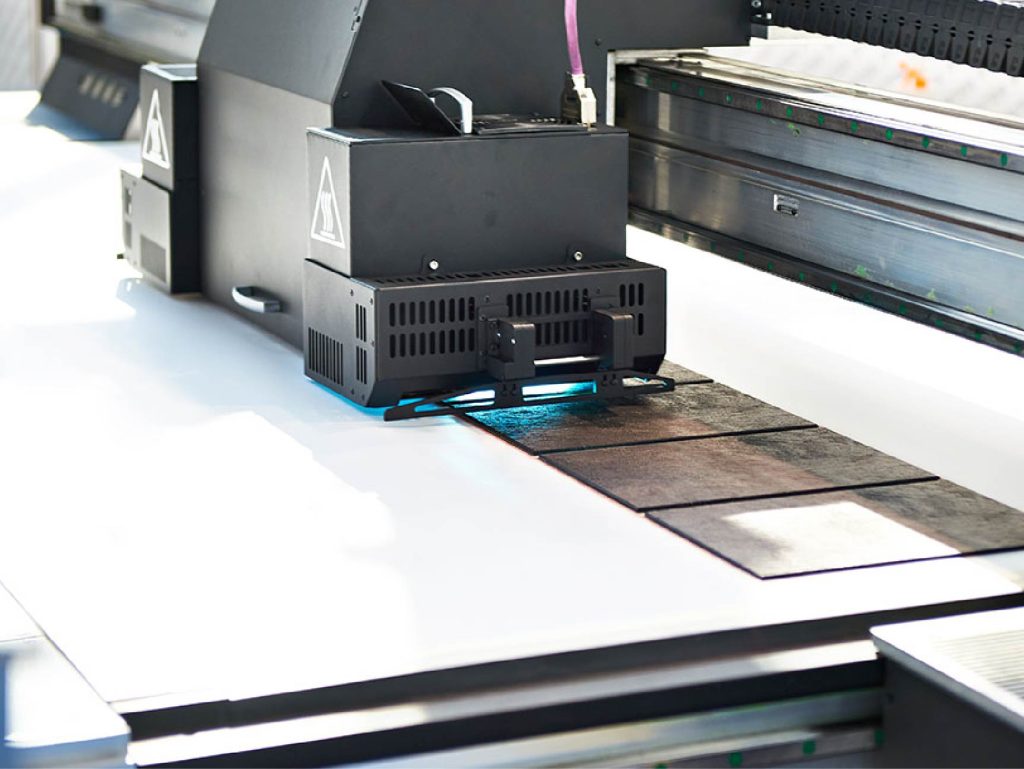
Basically, UV printing is a technology of inkjet printing directly onto the surface of the material with UV ink and drying immediately with a UV lamp (UV LED or mercury UV lamp). UV printing technology has many similarities with Offset printing but replacing Offset ink with UV ink, they are often called UV Offset ink.
There are many similarities and similarities, but UV printing technology is much more complicated than regular Offset printing because it requires a UV ink drying system. This system includes a drying lamp and other processing steps such as Corona, Flame, UV Nitro, etc. This system helps UV ink adhere firmly to the printing surface (eg Metalized paper).
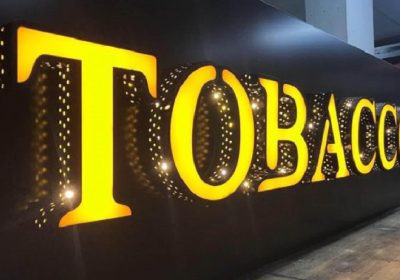
Currently in the world, UV printing technology is gradually replacing printed products with Solvent, Dye ink printing technology, etc. Multinational brands such as McDonald’s, HSBC, AEON, etc. have all applied standards for advertising products such as signs, light boxes, which must be printed on genuine uv printers.
So what makes UV printing technology the perfect alternative to the above technologies? We will mention the reason later in the article!
2. Characteristics of UV printing technology
UV printing is a technology that has entered the Vietnamese market for 3 years. Compared to traditional printing technologies that appeared more than ten years ago, there will certainly be many differences. The biggest difference here is in quality and durability. Below we would like to introduce features that only UV printing technology has:
Good color quality: uv ink has very good quality compared to other inks. The colors of the print will be very fresh and create a highly customer-attracting effect. The printed ink will create a shine for the product. If you want to decorate or make artwork, uv printing is a great decision.
The ink has great thickness. Compared to other types of printing, you cannot feel the thickness of the ink because it is too thin. UV digital printing is different. You can clearly see the thickness of the ink. This creates a high contrast for the print. UV printing can adjust to different thickness or thinness.
Extremely high durability. It must be said that this is one of the two most impressive points of uv printing technology. UV printed products have completely defeated their competitors in terms of durability and color fading. UV printing ink provides very high quality, can be sun-proof, water-resistant, and anti-erosion over time. When you advertise outdoors, their durability ranges from 1 – 5 years. When hung indoors, the durability can be from 5 to 15 years.
3. Basic UV printer lines
Current UV printers have lines such as: tabletop UV printers (flatbed printers), roll UV printers and hybrid UV printers (also known as multi-function UV printers).
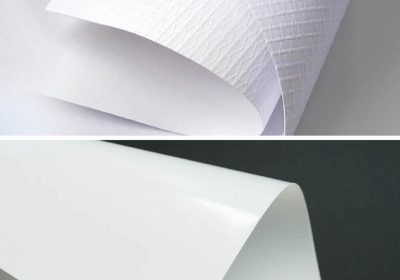
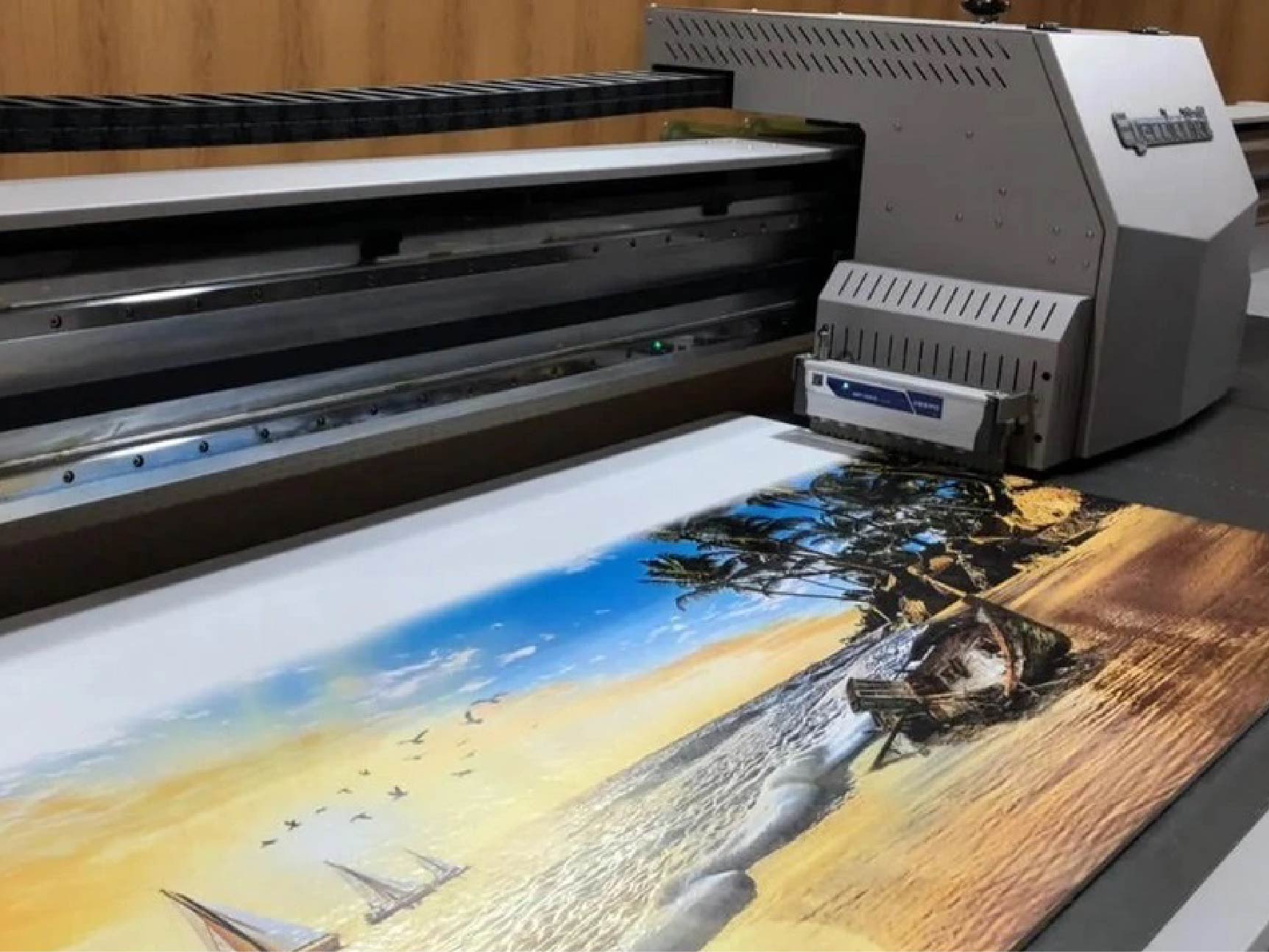
Tabletop UV printer: Also known as a flatbed printer, a uv printer has a flat table top for printing, usually rectangular, square,… with dimensions such as: 40x60cm, 100x120cm, 130x250cm… Tabletop uv printers will print best on flat materials such as: Alu, Mica, Form, Glass, Wood, Ceramic Tiles, 3M Decal, High-end Hiflex Tarpaulin, PP, Backlit,…
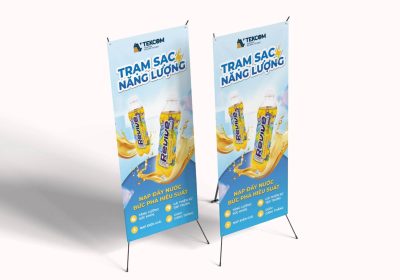
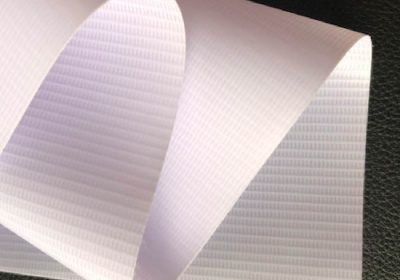
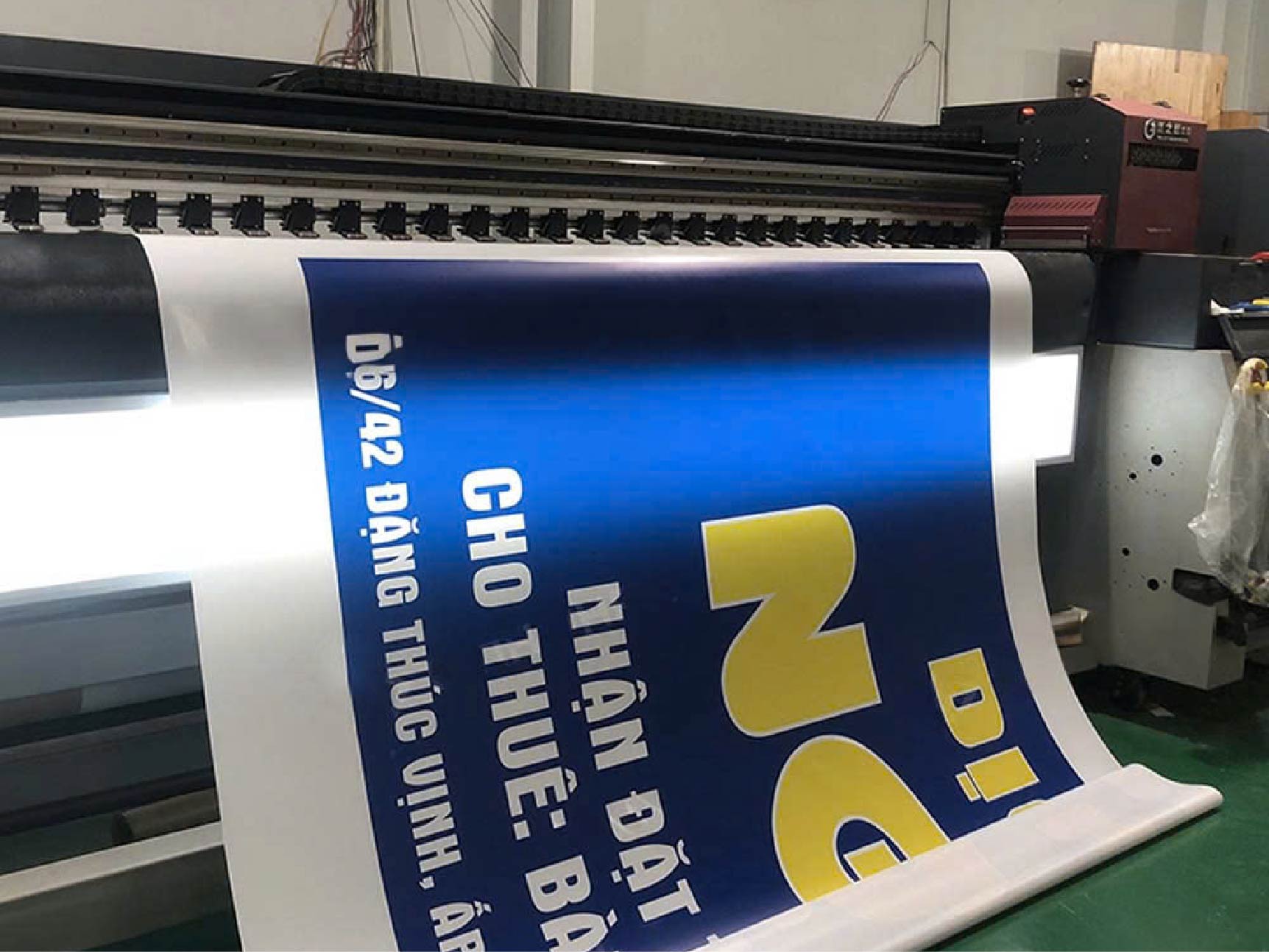
Roll uv printer: Also known as RTR UV printer, or Roll-to-Roll UV printer, it is a specialized UV printer for printing roll materials. The size of roll uv printers is usually 3m2, 5m, etc. Roll uv printers can print a variety of roll materials such as: 3M Premium Decal, Mactac, high quality ribless canvas, 3M hiflex canvas, canvas specialized for light boxes, banners, banners, high-end advertising signs…
UV Hybrid Printer: Also known as a multi-function UV printer, it is a printer that combines a tabletop UV printer and a roll UV printer. The machine has a secondary table top system, is equipped with wheels for printing flat materials, and has a smart conveyor system that supports easy roll UV printing. Multi-function UV Hybrid printers make investment more efficient and have more diverse applications in the market.
4. Application of UV printing technology
UV digital printing technology is currently applied in many fields. There are even cheaper types of printing it can replace.
- UV printing on rolls on decal, hiflex without ribs, canvas (making high quality pictures).
- UV printing on backlit film, decal, mica, making ultra-thin translucent light boxes.
- UV printing on flexible PET, creating high-quality light-transmitting ceilings.
- Printing on aluminum, aluminum, and stainless steel is suitable for sign making.
- Printed on glass for interior decoration in homes, companies, and offices.
- Print book covers, notebooks, photos, albums,…
- 3D printing, 3D printing, embossing
- Print on fabric or souvenirs

5. Advantages of UV printing technology
- Aesthetics: This is the most outstanding strength in products of UV printing technology. UV printed surface can be shiny, flat or rough according to customer’s request.
- Durability: Printing ink is durable and less likely to deform over time. It can be said that few printed products have the ability to retain color as long as UV printing. The lifespan of products applying UV printing technology is more than 10 years.
- Safety for users: Today, many printed products contain toxic substances that, if exposed for a long time, will affect the user. Tapping into that mentality, manufacturers have launched UV printing products as a successor and to overcome the shortcomings of other printing technologies.
- Ink dries quickly (almost immediately when going through the drying system).
- Create many special effects (glossy, embossed, UV sand, metal…)
- Can be printed on many materials, environmentally friendly.
6. Notes when UV printing
- Must use separate detergent (usually use 1 of the following 3 types: 2 UV wesh 32, A3 UV wesh 58, or A3 UV wesh 75) for printing using UV ink to clean press tubes, blankets… these types have little effect on the body and do not cause damage to rubber tubes.
- The pressing tubes in the machine, including the blanket, must be made from materials that can withstand the chemical properties of UV ink
- We must regularly monitor the composition and temperature of the water solution to avoid this solution mixing in the ink when printing.
- You should install a temperature monitor on the ink trays and ink tubes to avoid ink deformation when the temperature changes.
- Because the temple is used to dry ink, the paper is easily deformed and electrified
- After printing, use tape to test the ink level. The background on the tape has ink on it and has not dried completely.
- UV printing can cause the luster of the paper to be lost due to drying in a very short period of time.